
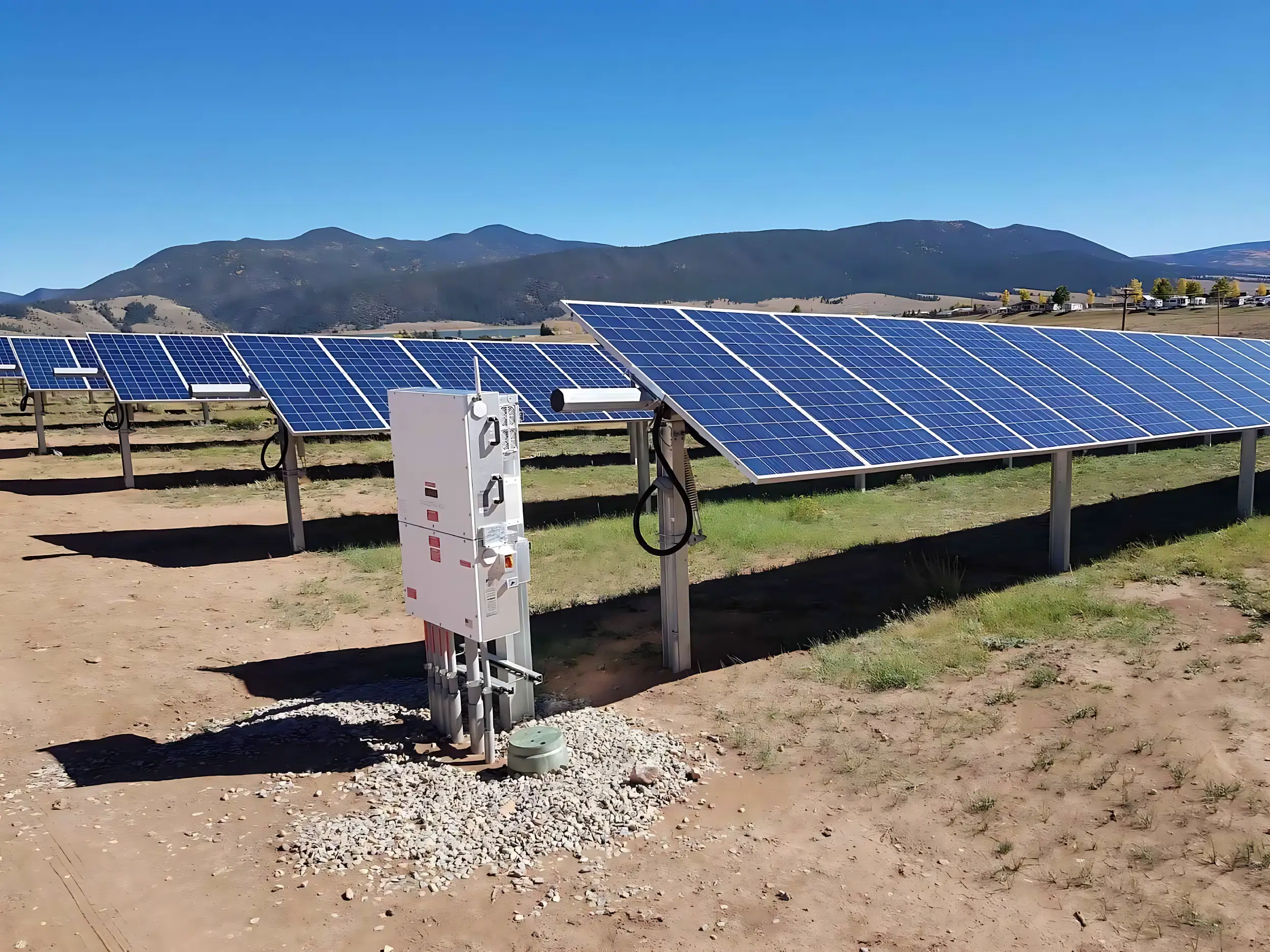
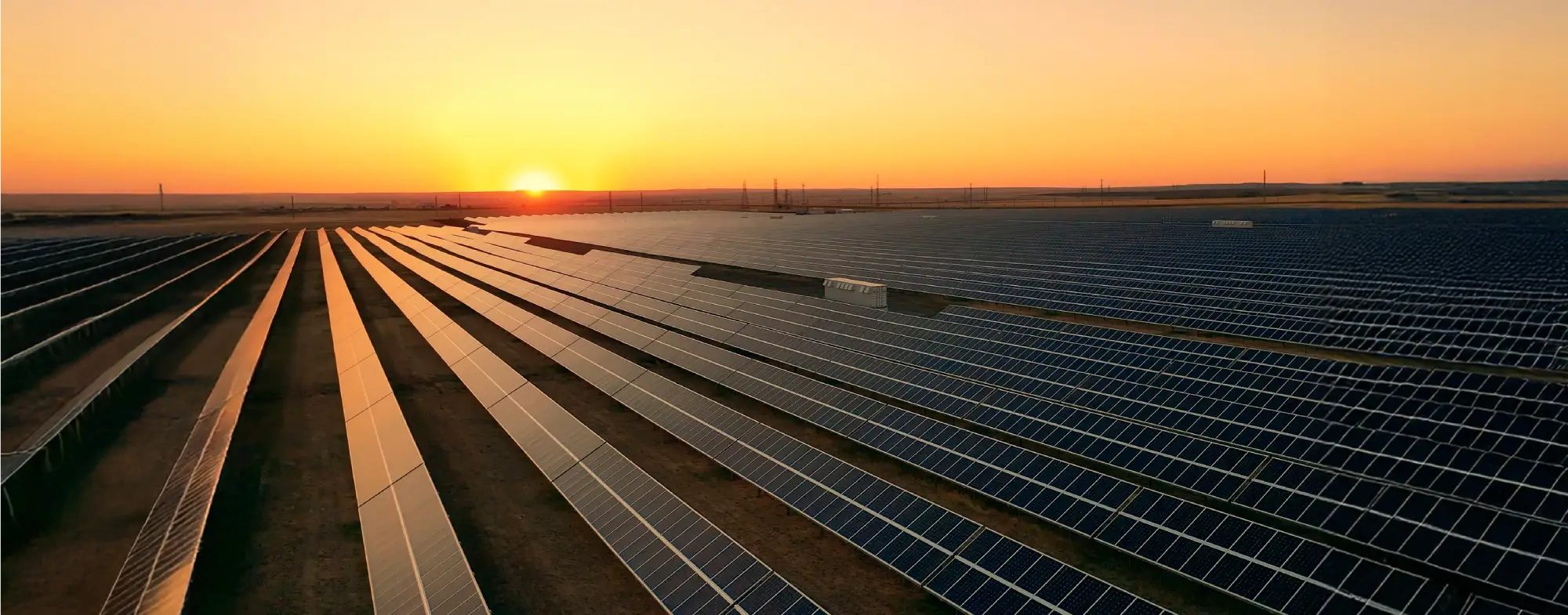
A solar inverter or power converter is the most critical component in any photovoltaic system. The primary function of this device is to convert direct current (DC) generated by solar panels into alternating current (AC), making it usable for residential and industrial purposes, as well as for injection into the national electricity grid.
At ENERYX Company, understanding the high sensitivity of this equipment, we supply and implement a range of top-tier global solar inverters with high energy conversion efficiency and valid warranties for both residential (small-scale) and commercial (large-scale) power plant projects.
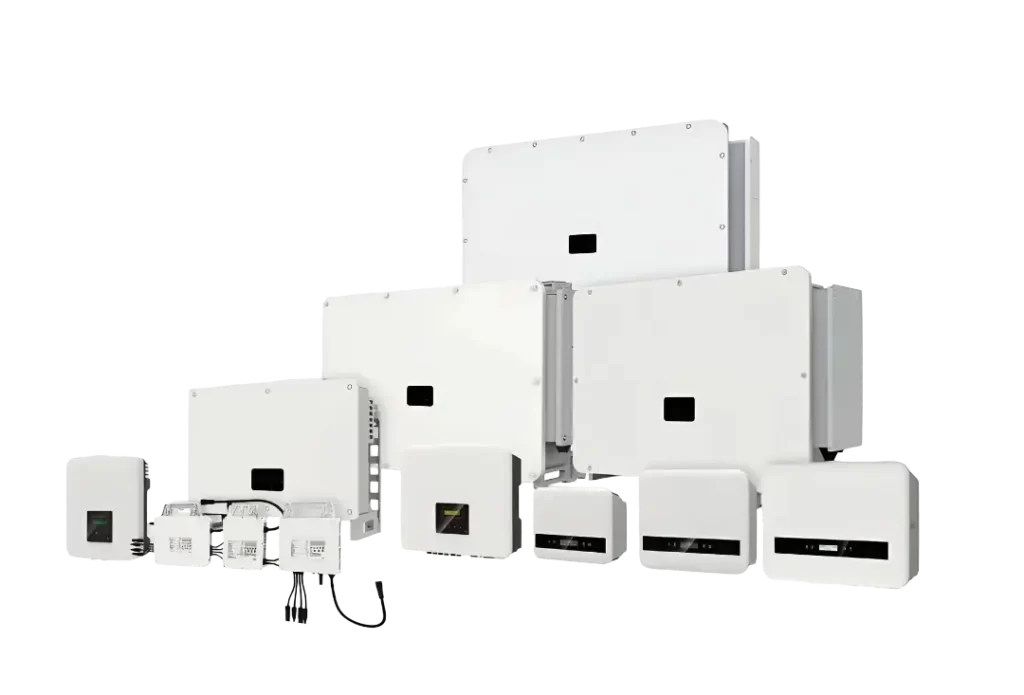
Table of Contents & Quick Access to Eneryx Solar Inverters
Why is Choosing the Right Solar Inverter Crucial?
Your solar energy system is only as efficient as its weakest component. Even if you install the highest-quality panels, a low-quality inverter can waste up to 20% of your power generation. Selecting the right inverter directly impacts:
- Increased Energy Efficiency: Maximizing the conversion of sunlight into usable electricity.
- System Lifespan: Protecting sensitive equipment against voltage fluctuations.
- Smart Monitoring: Enabling real-time tracking of daily power generation via mobile applications.
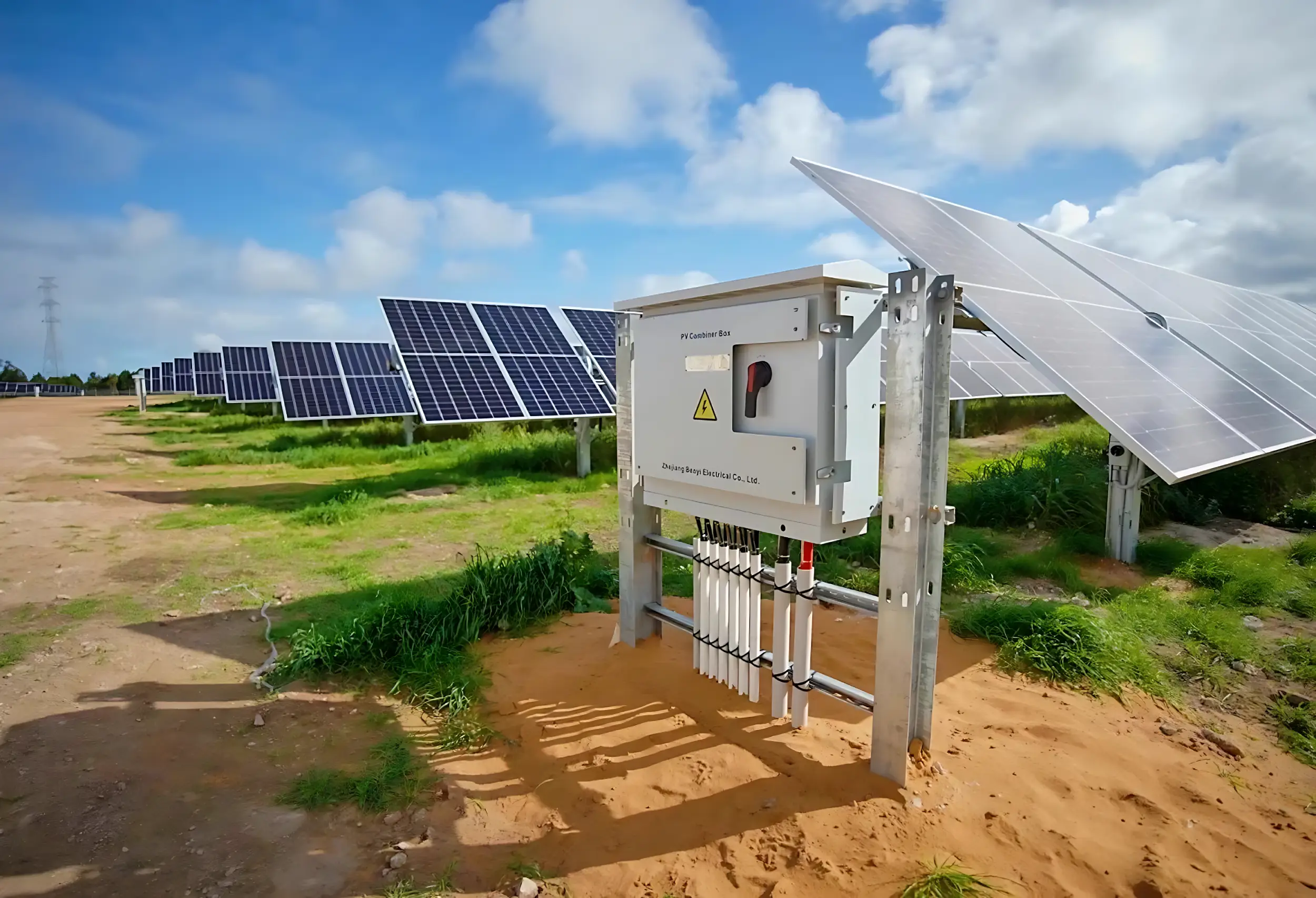
Types of Solar Inverters Offered by ENERYX
We provide a variety of tailored solutions based on your specific project needs. Understanding the different types of solar inverters will guide you to a more informed decision:
Grid-Tied Solar Inverters (On-Grid)
This model is ideal for users who intend to sell their generated electricity to the national utility grid or reduce their monthly electricity bills. For safety reasons, on-grid solar inverters automatically shut down during grid power outages.
Off-Grid Solar Inverters
If you lack access to the utility grid (such as in remote villas, farms, or nomadic locations), off-grid solar inverters are the optimal choice. These systems store generated electricity in Battery Energy Storage Systems (BESS) to deliver reliable power overnight or during cloudy days.
Hybrid Solar Inverters
The most advanced solar inverter type, which seamlessly combines the features of both systems above. This system can connect to the utility grid while maintaining a backup battery system for power outage protection.
Technical Note: All solar inverters supplied by our engineering team feature IP65 and IP67 protection ratings, providing robust resistance against dust and moisture, making them ideal for diverse climatic conditions.
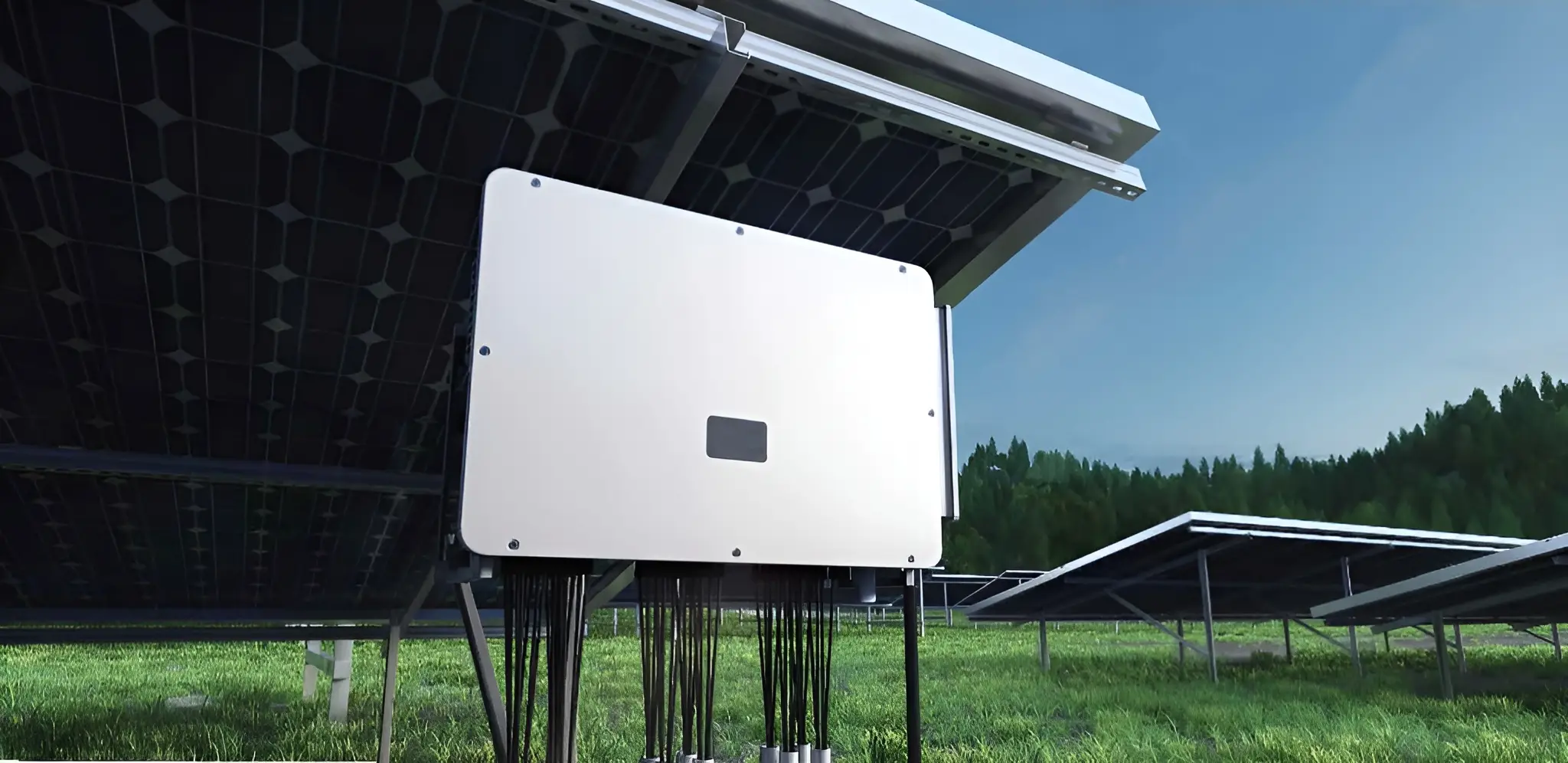
Technical Features and Competitive Advantages of Our Products
In sourcing equipment, we exclusively select brands that have proven their performance and reliability globally (such as Huawei, Growatt, SMA, etc.). Key features include:
- High Efficiency: Over 98% efficiency in energy conversion.
- Multiple MPPTs: Equipped with Maximum Power Point Tracking to manage panel shading.
- Smart Cooling System: Silent operation paired with an extended lifespan for electronic components.
- Easy Installation and Setup: Compact design with a highly user-friendly interface.
Purchase Consultation and Solar Inverter Price Inquiry
Solar inverter pricing varies depending on the manufacturer brand, output power (kW), phase configuration (single-phase or three-phase), and manufacturing technology. Given market fluctuations and the engineering knowledge required to select the correct capacity, we highly recommend consulting with our technical experts before purchasing.
By analyzing your energy consumption needs, the ENERYX team will recommend the most suitable and cost-effective option.
Frequently Asked Questions About Solar Inverters
What is the lifespan of solar inverters?
Standard inverters typically have a useful life of 10 to 15 years. This duration can be extended with proper maintenance and installation in a shaded, cool location. Additionally, most of our reputable brands come with a 5-year replacement warranty.
How do I choose the right inverter capacity for my home?
The inverter capacity should generally be equal to or slightly higher than the total power of your solar panels. For example, if you have 5 kW of panels, a 5 or 6 kW inverter is suitable. Our experts will perform the exact calculations for you.
What is the difference between single-phase and three-phase inverters?
This depends on your property’s electricity meter. Single-phase models are mostly used for standard residential purposes, while three-phase inverters are utilized for factories, agricultural setups, and large complexes.